The Future of Fiber Optics: Faster Connections and New Applications

Alex Jansen
Senior Tech Editor
Developments in fiber optic technology are moving at lightning speed. What does this mean for the average user and what new possibilities does it offer for businesses?
Technical Breakthroughs
Recent research has shown that the capacity of fiber optic cables can be increased by as much as 40% without major infrastructure adjustments. This is due to improved signal processing and advanced multiplexing techniques.
Companies that rely on cloud solutions and real-time data analysis will benefit directly from this. Lower latency and higher bandwidth enable complex applications that were previously unthinkable.
Important for Cybersecurity
The new fiber optic standards include enhanced encryption options at the physical level, providing an extra layer of security against eavesdropping and data interception.
Impact on Data Centers
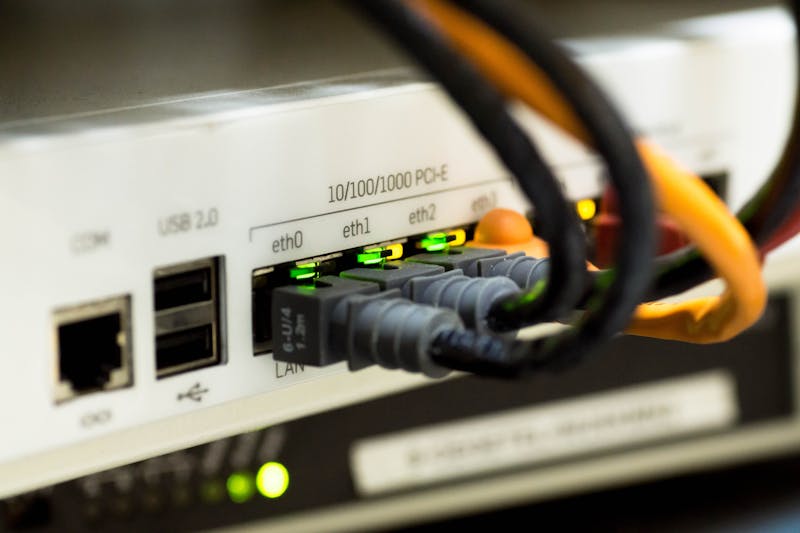
Modern server rooms are being completely redesigned around this new fiber optic technology. The characteristic blue LEDs in network equipment are increasingly being replaced by intelligent lighting systems that display network status.
- Higher density of connections per rack
- Lower energy consumption per gigabit
- Better cooling through smarter cable management
The transition to these new standards is progressing steadily. Experts expect that within two years, the majority of new installations will utilize this improved technology.